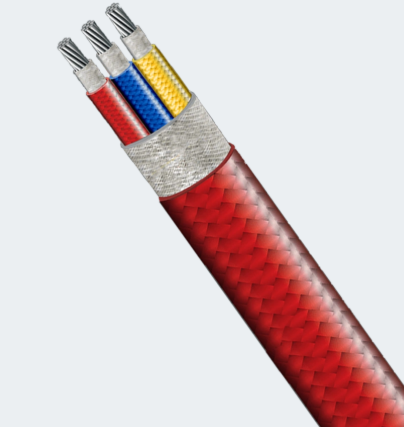
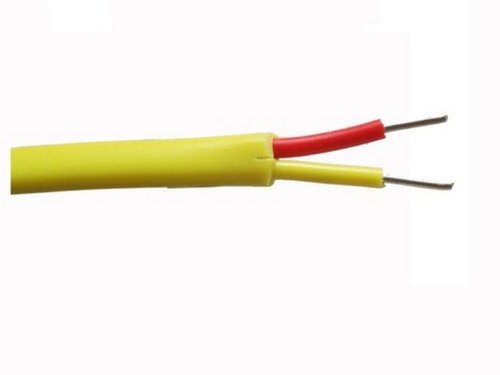
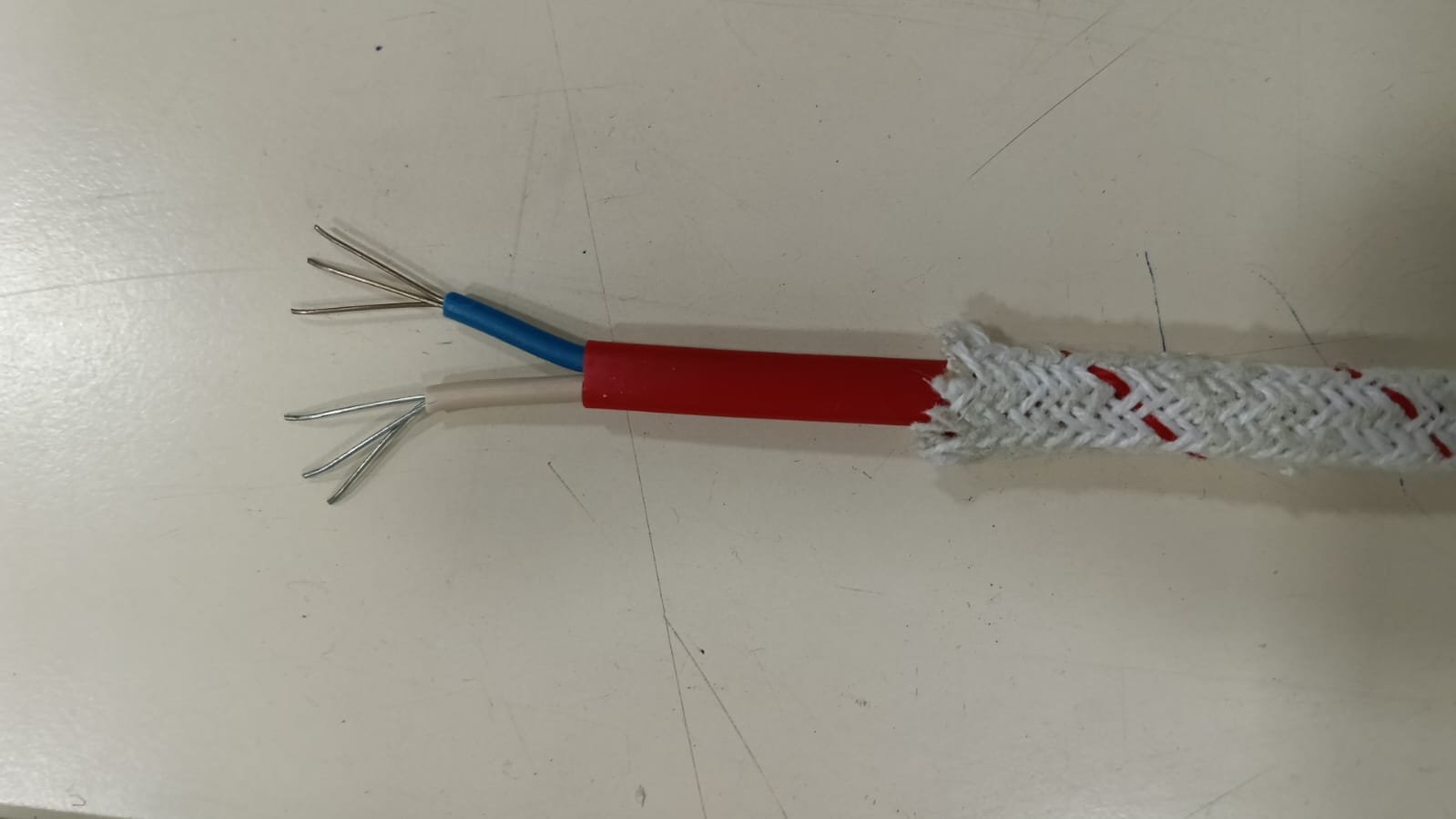
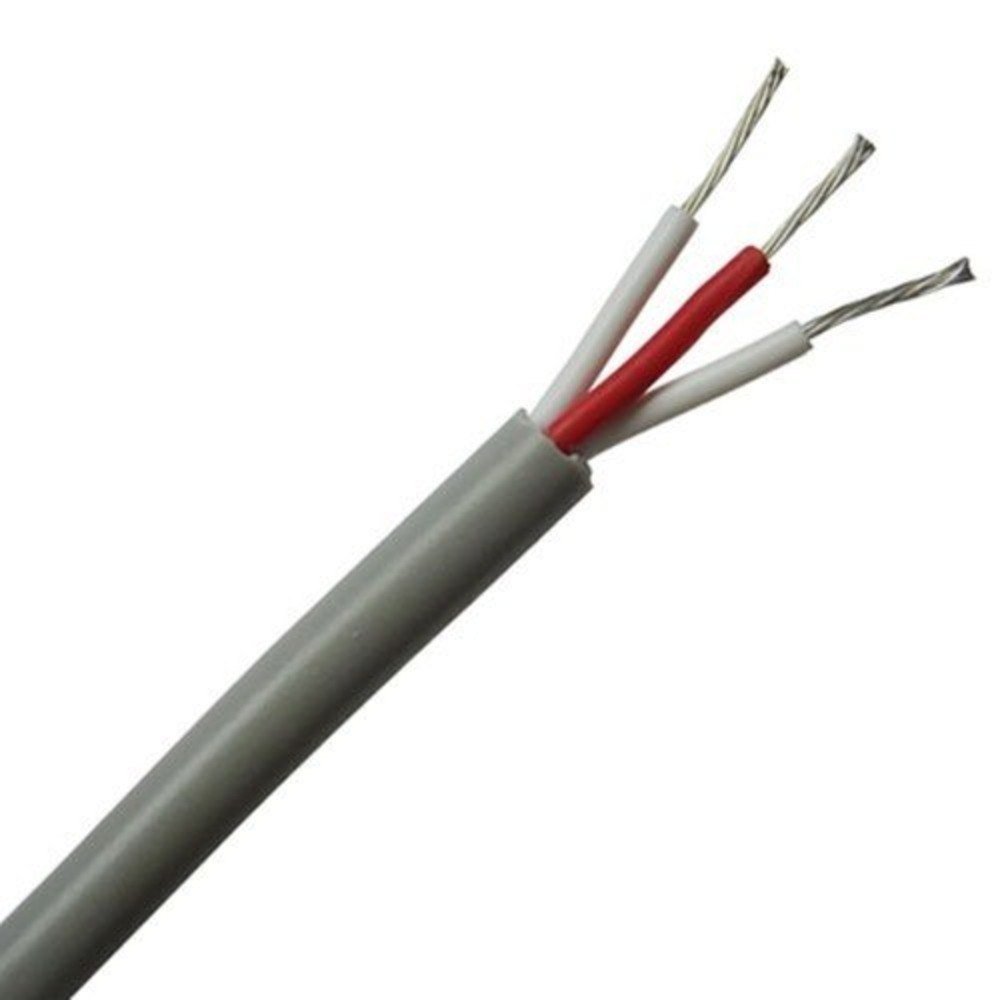
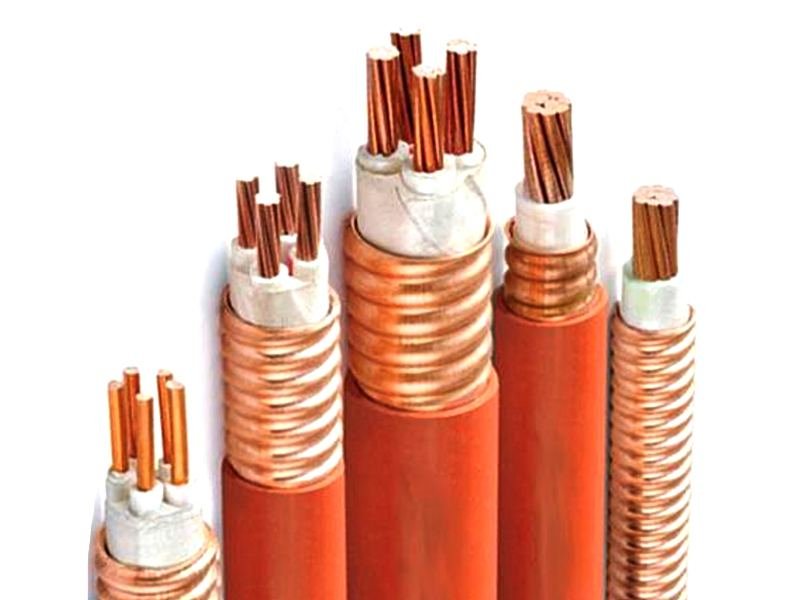
PVC insulated thermocouple cables are widely used for general-purpose temperature measurement and signal transmission in mild industrial environments. These cables serve as extension or compensating leads for thermocouple sensors, helping transmit accurate temperature signals from the sensing point to instrumentation devices.
The insulation is made of Polyvinyl Chloride (PVC), known for its flexibility, durability, and ease of installation. PVC offers good resistance to moisture, oil, and abrasion, making it suitable for indoor and moderately harsh conditions. While PVC is not ideal for high-temperature zones, it reliably performs in ambient temperatures up to 105°C (standard PVC) or up to 125°C (high-temp PVC).
PVC insulated thermocouple cables are available in various thermocouple types like K, J, T, and N, and often come with color-coded conductors as per ANSI or IEC standards. They can be constructed with twisted pairs, shielding, and outer jackets to suit applications like process control, HVAC systems, laboratories, food processing, and light industrial automation.
These cables are an economical solution for temperature signal transmission where thermal, mechanical, and electrical demands are moderate